
Challenges LGBTQ+ Travellers and Others Face in Tourism
Q&A with Dani Bento, President of ILGA Portugal
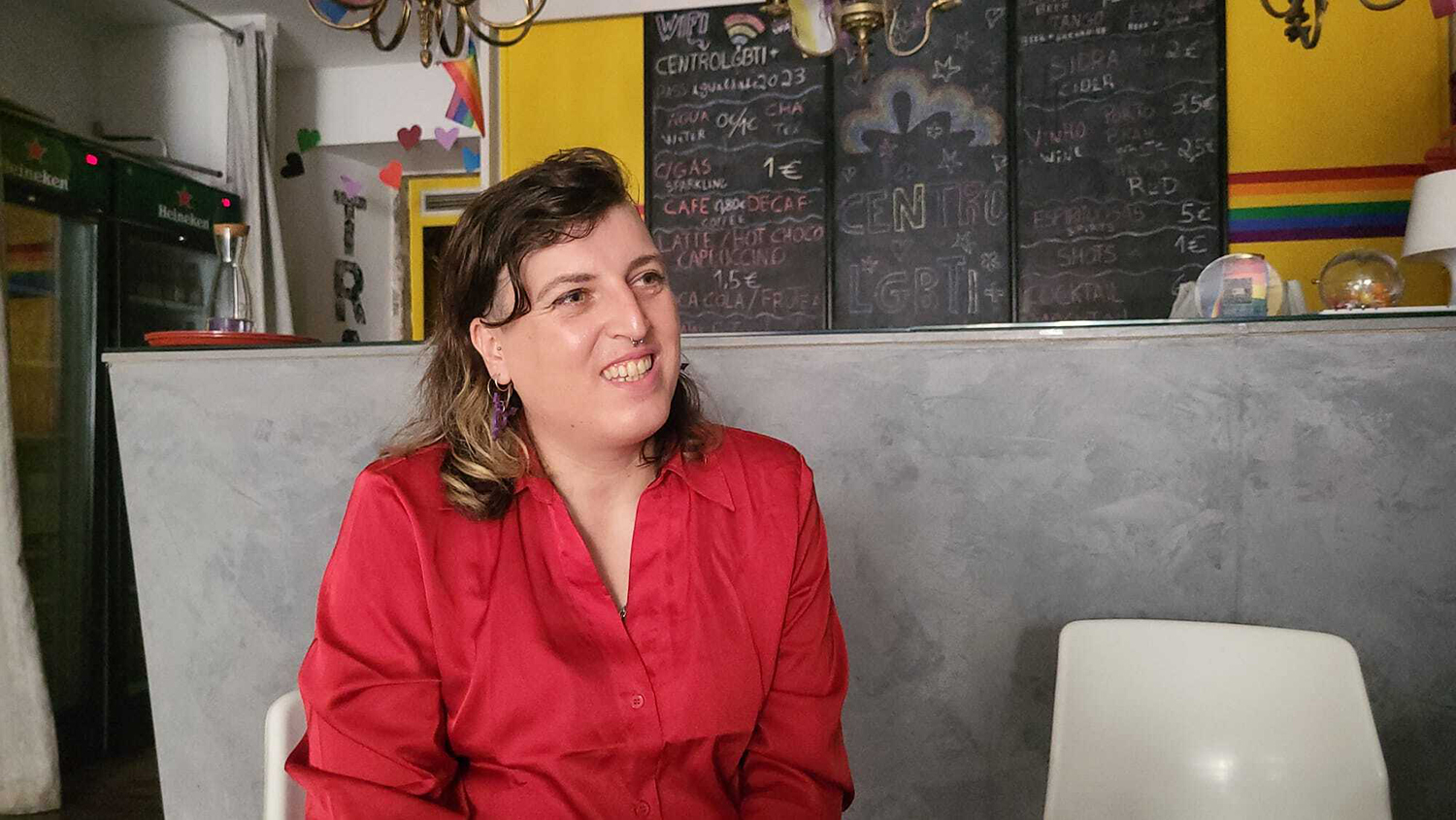
Our small group of volunteers who researched inclusion in the tourism industry through the Travel Different for Future project had the privilege of sitting down with Dani Bento, a passionate activist and the current President of ILGA Portugal.
Irina Medved
Dani's insights remind us that inclusive tourism isn't just a trend, but a necessity. From thoughtful language to accessible infrastructure, everyone has a role in creating welcoming and safe experiences for LGBTQ+ travellers. But inclusive travel extends far beyond any group. At its core, it’s about creating accessible experiences for everyone, regardless of their identity, ability or circumstances.
ILGA Portugal is a key LGBTQ+ rights organisation, founded in 1995, advocating for equality, inclusion, and protection against discrimination. It works on issues like legal rights, healthcare, and social acceptance, collaborating with local and global partners to create a more inclusive society.
Our discussion reflects the heart of our project, which seeks to foster a future of travel that is not only inclusive but also deeply committed to sustainability, ensuring that everyone can travel responsibly, equitably, and with respect for both people and the planet.
Q: Can you briefly introduce yourself and your role within the community?
A: "My name is Dani Bento, I’m almost 39 years old, and I’m a non-binary trans woman. I’ve been with ILGA Portugal for 10 years, starting as a volunteer because I wanted to find answers and address urgent issues.
Now, I serve as the president of ILGA, working in the field of human rights, focusing on identity, body autonomy, and the politics that shape LGBTQ+ lives."
Q: In your experience, how inclusive is the current tourism industry?
A: "There are still many barriers, language can be non-inclusive, and some places aren’t welcoming. People might give uncomfortable looks just because LGBTQ+ people are existing in public spaces like everyone else.
We don’t want to “normalise” relationships, we want to neutralise biases, because every relationship is different. Biases are unfair assumptions or judgments we make based on stereotypes or limited perspectives.
Lisbon is a hotspot and tends to be open-minded and tolerant, but in more rural areas, reactions can vary drastically. For trans people, access to public toilets is a recurring problem. And then there’s the issue of being judged when your appearance doesn’t match gender stereotypes. Sometimes it’s jokes or remarks that might seem small, but they make people feel unwelcome."
Q: How important is it for destinations to create safe spaces for LGBTQ+ travellers?
A: "It’s essential. Everyone should feel welcome. We need inclusive language, practical solutions, and awareness. This is about basic human rights, the right to be seen, respected, and safe. People shouldn’t face discrimination because of how they look or who they are. It's time we rethink how tourism approaches identity and inclusivity."
Q: How do race, gender identity, and disability intersect with LGBTQ+ experiences in travel?
A: "These aspects often overlap. At ILGA’s own centre, for example, we’ve realised our bathroom isn’t accessible for wheelchair users, so physical barriers remain an issue. But there’s progress: we’re seeing more cooperation between associations and more dialogue around social issues. There’s growing awareness in the community."
Q: How can tourism be both inclusive and sustainable?
A: "Especially in Portugal, where tourism is central to our economy, we need to think long-term. Sustainability isn't just about the environment, it’s also about preserving culture and building respectful, inclusive relationships with local communities."
Conclusion: Building an inclusive future in travel
Dani's insights remind us that inclusive tourism isn't just a trend, but a necessity. From thoughtful language to accessible infrastructure, everyone has a role in creating welcoming and safe experiences for LGBTQ+ travellers. But inclusive travel extends far beyond any group. At its core, it’s about creating accessible experiences for everyone, regardless of their identity, ability or circumstances.
Portugal is already a popular LGBTQ+ travel destination, but real progress will come when inclusivity becomes part of every travel experience, not just in big cities like Lisbon, but everywhere.
Why inclusive travel matters
- Accessibility: Designing spaces, services and technologies that work for all travellers with disabilities, mobility challenges or sensory needs.
- Equity: Recognising that older adults, families with young children, and people from marginalised communities may face unique barriers, and actively finding means to break them.
- Representation: The use of simple but respectful language and imagery that is accessible and reflects ease for any traveller.
- Safety: Ensuring that destinations, hotels, local accommodations and activities create environments where all guests feel welcome and respected.
So, inclusive travel is making sure there is empathy for all travellers. Tourism does not need to be an exclusive activity, that only certain groups are able to do. When businesses are inclusive, they open gates for many visitors to explore new options.
The need for inclusivity starts with each of us. Whether you are a traveller, an Airbnb Host, or even the local coffee shop, choosing to be welcoming to all is a simple yet powerful way to show that inclusivity is possible.
You just must make the choice to welcome everyone as they are. Next time you travel, notice how inclusive your experience feels and ask what small changes could make it better for everyone.
Learn more about ILGA Portugal
For more information on the work of ILGA Portugal and their commitment to LGBTQ+ rights and inclusion, visit their official website here. As the leading LGBTQ+ rights organisation in Portugal, ILGA plays a vital role in advocating for equality and social justice across the country.
Explore accessible tourism with Tur4all
Tur4all provides a comprehensive guide to accessible tourism across Spain and beyond. To discover accessible travel options, services, and resources, check out their website here. It's an invaluable tool for travellers seeking accessible accommodation and experiences.
Discover ‘Accessible Portugal’
Accessible Portugal is a platform designed to help travellers find accessible tourism services throughout Portugal. Whether you're looking for accessible accommodation or specialised travel services, their website offers detailed and reliable information. Visit Accessible Portugal to plan your next accessible trip.
Inclusive Travel Insights
For a deeper dive into inclusive travel practices worldwide, ideas.org.au provides a helpful blog post on the 10 things you need to know about inclusive travel. Learn more by reading their article which covers essential tips and guidelines for accessible and inclusive travel experiences.