
The Golden Soul of Portugal
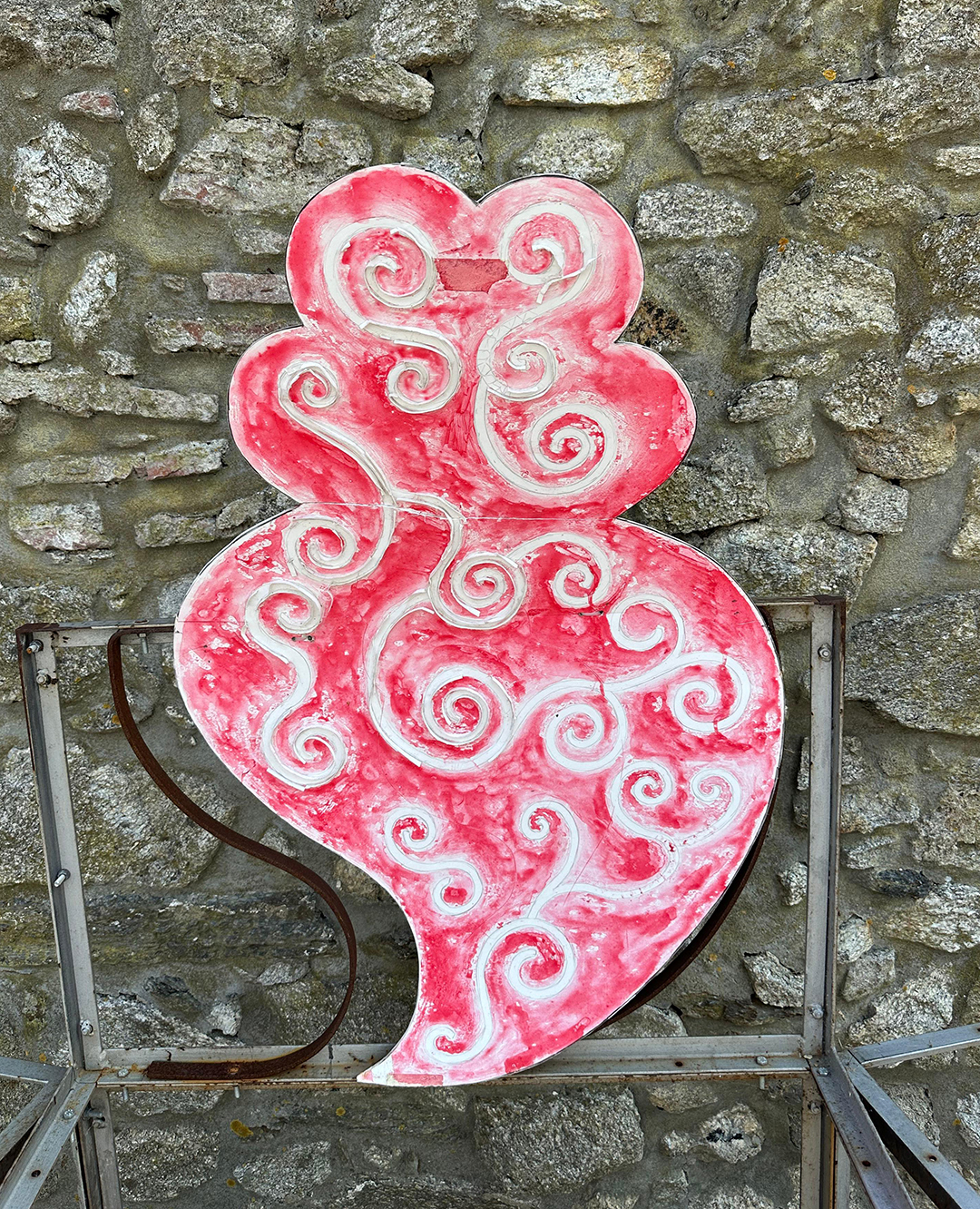
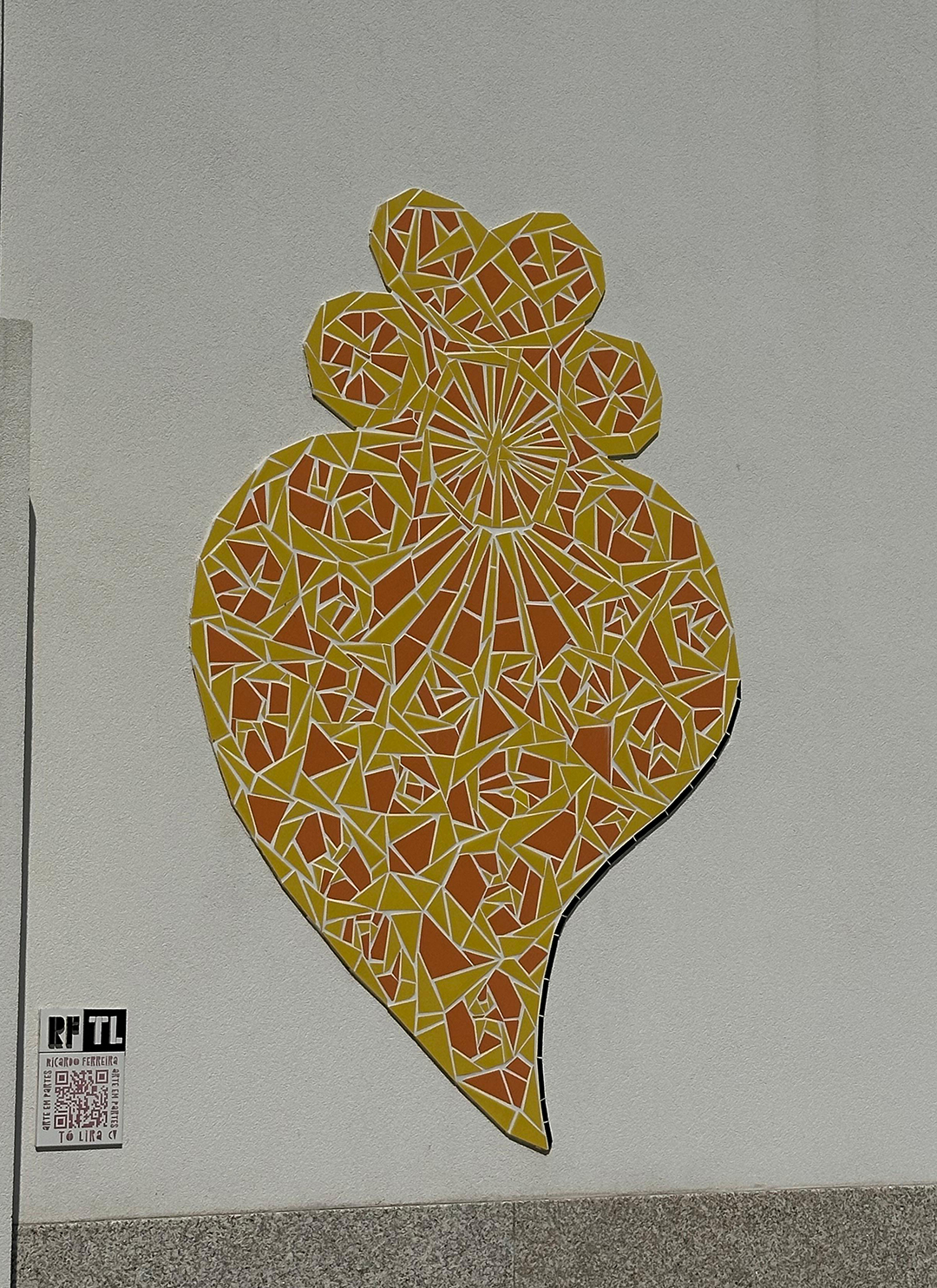
The first time we noticed the Heart of Viana, it was not in a museum or a gallery. It was on the streets, shining in jewellery shop windows, flashing on advertising panels of passing buses, painted on walls, and even hidden in mosaics you could step over without realising. What seemed like a simple symbol revealed itself as the soul of the city, carrying centuries of devotion and tradition, while also raising important questions about cultural heritage and the influence of mass tourism.
Neja and Vanesa
From our discussions with locals, artisans, and our research group, it became clear that traditions like the Heart of Viana are at risk due to changing lifestyles, economic pressures, and the dominance of mass-produced culture. Skills that once passed naturally from generation to generation are no longer guaranteed to survive. As a community, we can help preserve these stories by valuing craftsmanship, supporting local artisans, and creating spaces where cultural knowledge is shared and celebrated.
Exploring Viana de Castelo beyond the surface
During the Travel Different for Future seminar in Portugal this summer, we spent almost two magical weeks together, meeting old and new friends from Portugal, Germany, Slovenia, and Spain, learning about sustainable travel and putting it into practice. We began in bustling Lisbon and travelled by train all the way to Viana do Castelo, one of the stops on the famous pilgrimage road Camino de Santiago. As part of the culture team, we became fascinated by the Heart of Viana, noticing it everywhere and wanting to understand what it truly represents.
For us, it became more than research. It was a reminder that travelling with purpose means slowing down, asking questions, and choosing to support the traditions that give a place its soul. We did not only stop in museums and information centres. We cast a wider net by exploring what Viana do Castelo stands for and how it lives in everyday life. After visually exploring the city and hunting for little hearts on every corner, we turned to museums and the information centre. Then we asked people directly, spoke with jewellery shop owners, and visited local artists to understand what the Heart of Viana means to them.
What emerged were stories of slow consumption and meaningful travel, stories that show the importance of intentionally choosing to support the local economy by buying from artisans instead of mass-produced souvenirs that we have all taken home at some point. Holding the handcrafted pieces in our hands, we became curious about their history and why they mean so much to the locals. To understand this, we looked back at the origins of the Heart of Viana.
The royal gratitude and sacred meaning behind the Heart of Viana
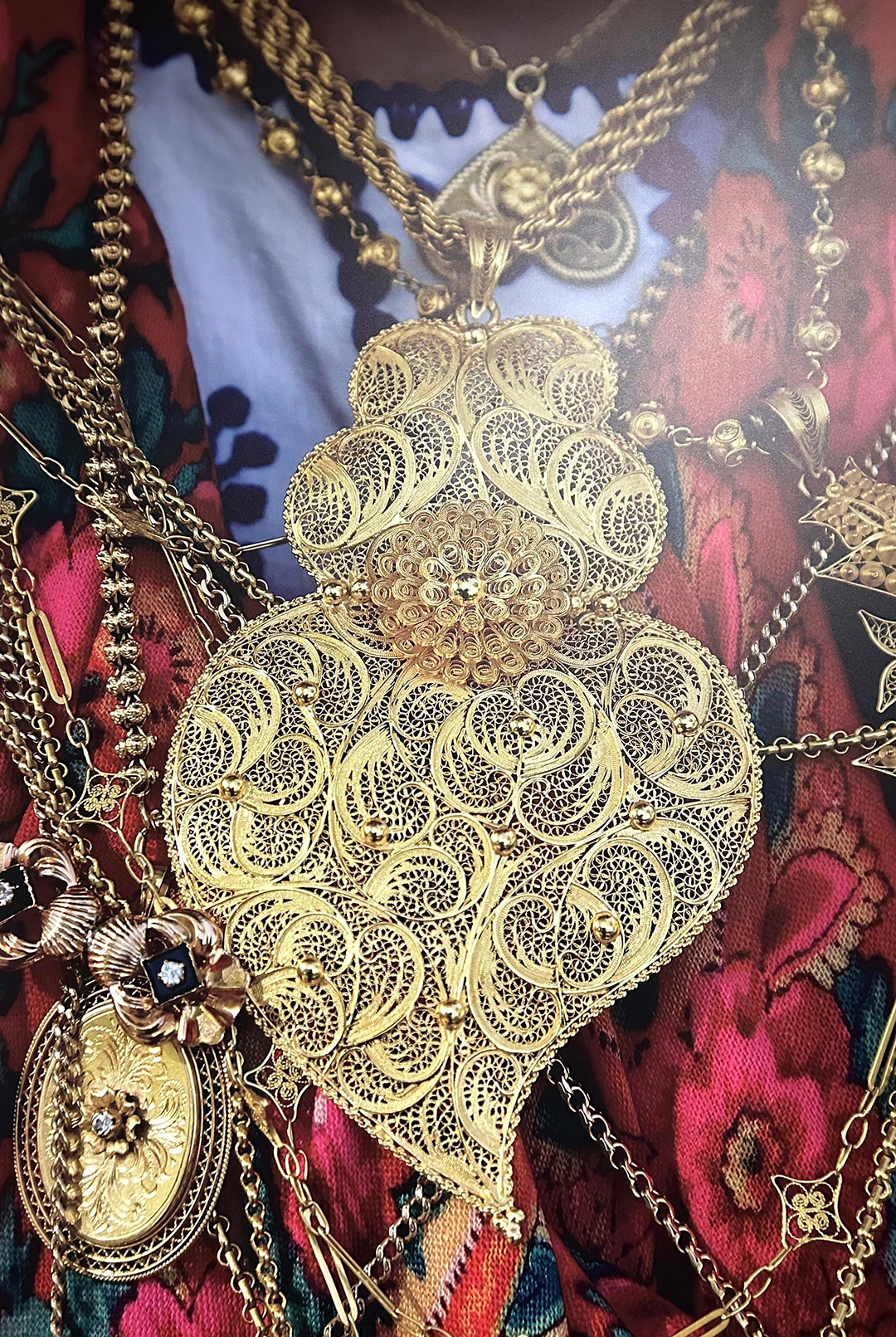
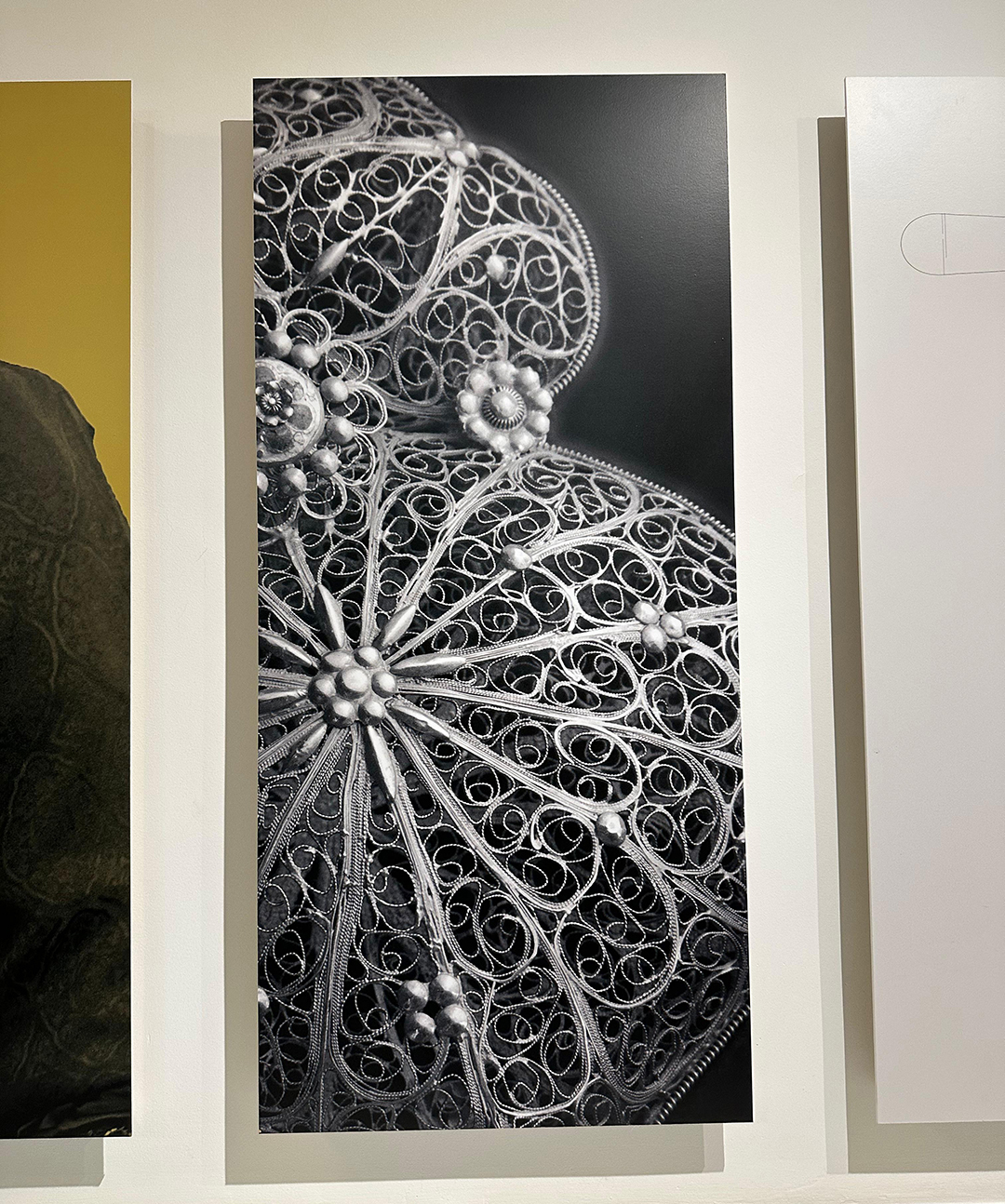
The story of the Heart of Viana begins in the late 18th century, when Queen Maria I of Portugal commissioned a gold heart as an offering to the Sacred Heart of Jesus in gratitude for conceiving a son. This royal gesture, marked by engravings of Portugal’s great military orders—the Orders of Christ, Santiago, and Aviz—merged religious faith with regal prestige. Inspired by this piece, local goldsmiths in the Minho region, particularly in Viana do Castelo, refined the design into what became known as the Heart of Viana. They used filigree, a centuries-old technique of twisting fine gold threads into lace-like patterns, to create jewellery that quickly grew in cultural importance.
Legends of love and devotion
Beyond royal commissions, popular folklore deepened the heart’s meaning. One legend tells of Thomas, a poor craftsman in love with Ana, a young woman from a wealthy family. To win her father’s approval, Thomas created a filigree heart from gold donated by villagers. The piece was so beautiful it secured the marriage, and each year thereafter villagers displayed golden hearts beneath Ana’s window as a symbol of enduring love. Stories like these transformed the heart from a religious emblem into a token of personal devotion, love, and community bonds.
Symbolism and the meaning behind every detail
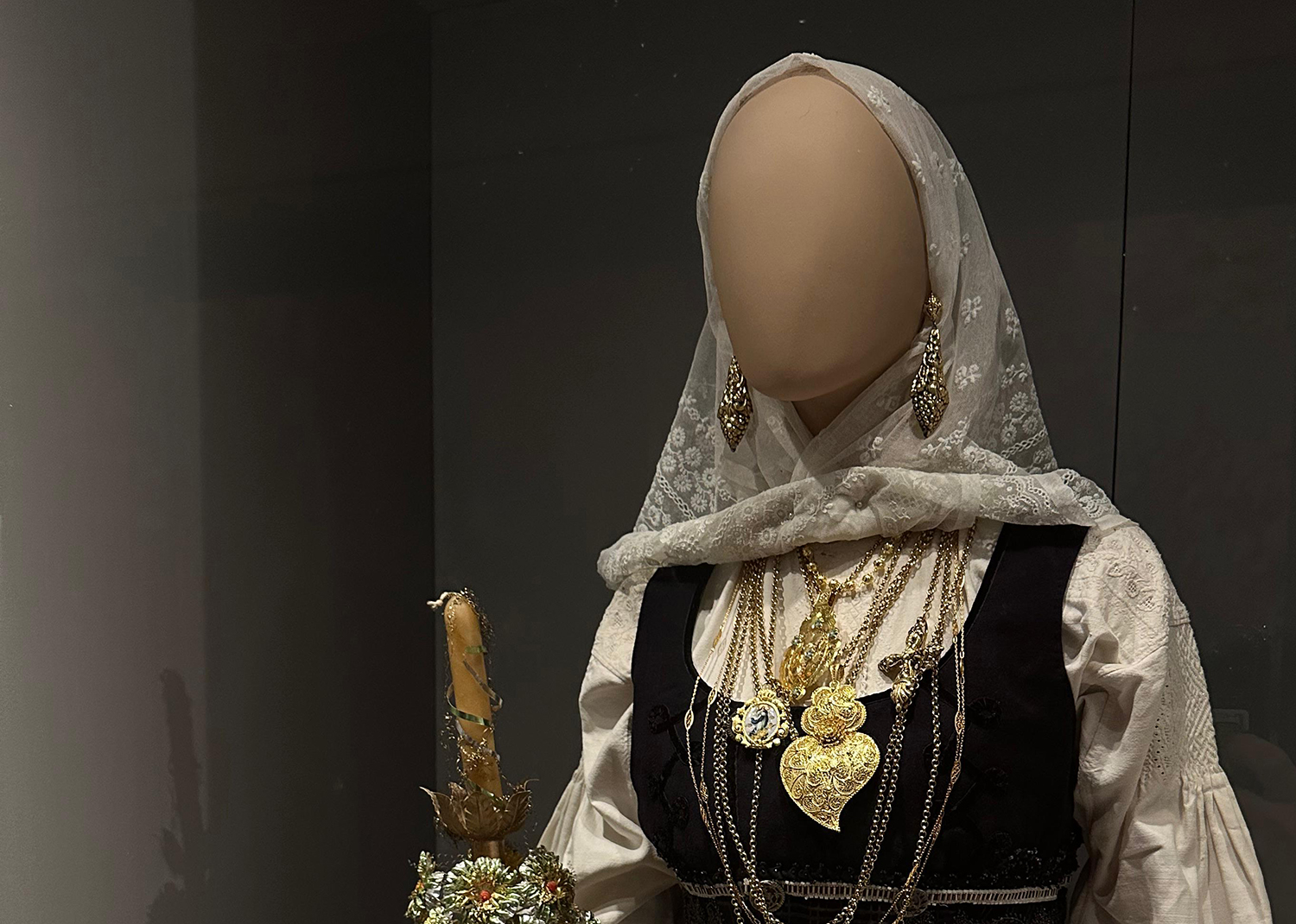
The Heart of Viana’s distinctive shape carries layers of symbolism. Its flame-like crown recalls the divine fire of the Sacred Heart. The twisted tail and reversed curve, unique to the Viana design, have been interpreted as signs of fertility, though some historians believe they were purely artistic flourishes that became tradition. Over time, the heart became deeply intertwined with local identity. Women of the Minho region, known as Minhotas, wore filigree hearts during festivals, weddings, and important family events. The jewellery often passed from mother to daughter as a treasured heirloom.
Craftsmanship and art of filigree
Filigree itself is an ancient technique dating back over 4,000 years to Mesopotamia, arriving in Portugal through Roman and medieval trade routes. Northern Portuguese towns like Gondomar, Póvoa do Lanhoso, and Viana do Castelo became centres of this delicate art. A traditional Heart of Viana can take an artisan an entire day to complete. Each piece is handcrafted from 19-karat Portuguese gold, prised for its rich colour, and made without moulds or machines. Artisans twist fine gold threads into elaborate, lace-like patterns that seem almost weightless. Every heart represents not only hours of patient labour but also the transmission of skills handed down through generations.
From devotional object to cultural heritage
The heart’s journey from sacred offering to cultural icon spanned centuries. In 1852, Queen Maria II wore heart-shaped earrings during a visit to Viana do Castelo, cementing its reputation among Portugal’s elite. By the 19th century, noblewomen adopted the Heart of Viana as a symbol of status and refined taste. Later, during Portugal’s Estado Novo regime, the heart became a national emblem of tradition and folklore, appearing in art, festivals, and official imagery. Even after the Carnation Revolution swept away much of the era’s symbolism, the Heart of Viana endured, rooted in the collective memory of a region and a nation.
Romaria d’Agonia as a living tradition
The Heart of Viana can be seen most often during Romaria d’Agonia, the city’s grand annual festival. Women dress in traditional Minho costumes adorned with layers of gold filigree: pendants, queen earrings, and beaded necklaces, often featuring the heart as the centrepiece. These ornate displays, inherited and collected over generations, celebrate both personal heritage and the living tradition of goldsmithing in the region. For visitors, the festival offers a vivid glimpse into the cultural life of Viana do Castelo and the enduring significance of the heart.
Modern interpretations and global reach
Though firmly anchored in tradition, the Heart of Viana has adapted to contemporary tastes. Designers experiment with new materials such as silver, cork, and even minimalist designs that reinterpret the heart’s form while preserving its essence. What began as a regional craft now features in jewellery collections worldwide, appearing in boutiques across Europe and beyond. Yet for locals, the heart remains a powerful emblem of place, history, and cultural pride.
Buying an authentic Heart of Viana supports not only a personal connection to this heritage but also the artisans who keep the tradition alive. Cheaper, mass-produced imitations threaten the survival of filigree craftsmanship, making genuine pieces increasingly valued. For the artisans, each sale sustains a lineage of knowledge and artistry that connects past and present.
Workshops and preservation
In Viana do Castelo, small workshops still practice the centuries-old methods of filigree. Visitors can watch goldsmiths twist fine threads into patterns, often using the same tools as their ancestors. These intimate studios offer insight into the labour and precision required to create even a single piece. Many artisans consider themselves custodians of cultural memory, carrying forward a practice that has survived changing fashions, industrialisation, and economic pressures.
Why the Heart of Viana endures
Symbols survive because they speak to universal values. The Heart of Viana encapsulates love, gratitude, faith, and identity. It endures because it bridges personal memory and collective heritage, uniting craftsmanship with the stories of those who wear it. In a world of fast production and fleeting trends, the heart offers a tangible link to something lasting and meaningful.
From our discussions with locals, artisans, and our research group, it became clear that traditions like the Heart of Viana are at risk due to changing lifestyles, economic pressures, and the dominance of mass-produced culture. Skills that once passed naturally from generation to generation are no longer guaranteed to survive. As a community, we can help preserve these stories by valuing craftsmanship, supporting local artisans, and creating spaces where cultural knowledge is shared and celebrated. Owning a Heart of Viana means carrying a story that began centuries ago in a small Portuguese city and continues today with every new wearer. Whether given as a token of love, inherited as a family heirloom, or chosen as an expression of cultural pride, each heart embodies the threads of devotion, artistry, and history that define Viana do Castelo and remind us why preserving cultural heritage matters.