
How a Hostel in Portugal Changed the Way I See Tourism
Exploring sustainability through the Travel Different for Future programme
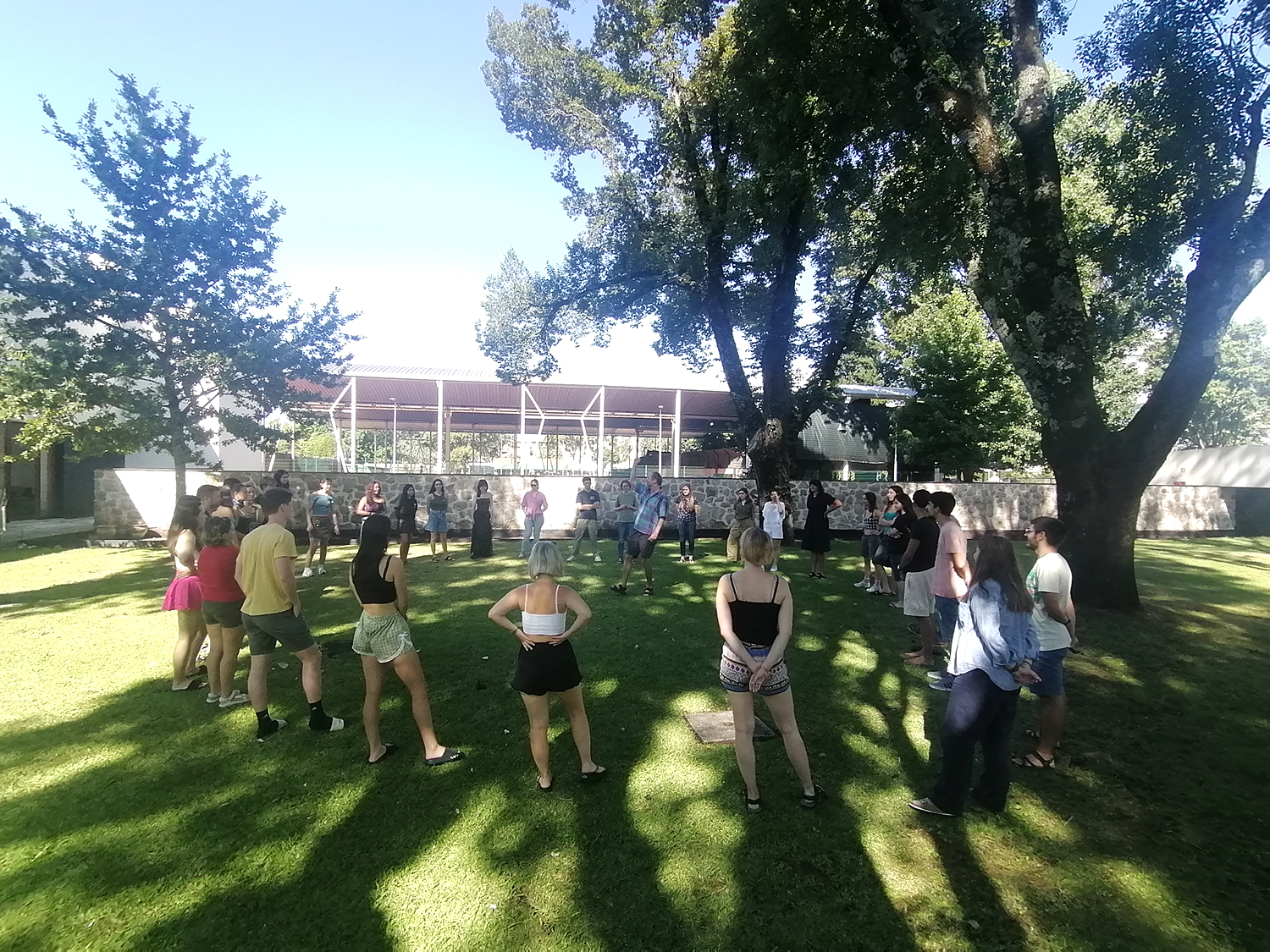
Our stay in the HI Viana do Castelo hostel was part of the Travel Different for Future programme, which is an educational initiative that teaches young people how to travel in a more sustainable and eco-friendly way. The programme is run by four organisations: JANUN Hannover e.V. from Germany, Hostelling International Slovenia, REAJ from Spain and Movijovem from Portugal. Its goal is to reduce the negative impact of tourism on nature, local people, and workers in the travel industry.
David Vozlič
It’s clear the hostel is working hard to reduce single-use plastic wherever possible. But as the staff explained, it’s not always easy, because everything in the supermarket comes in plastic. Their honesty made me appreciate their efforts even more. They're not perfect, but they’re genuinely trying.
Through different workshops for teenagers, we, as volunteers of the programme, also help to promote youth travel, cultural exchange and social inclusion. By sharing good examples like those from HI Viana do Castelo hostel, we hope to inspire more young people to travel responsibly and care for the planet.
Research teams
During our summer seminar 2025, we discussed sustainable tourism and how travel impacts the world. And to deepen our knowledge, we also worked in four different research groups: Inclusion, Nature & Sustainability, Volunteering, and Culture.
I was part of the Nature & Sustainability group, where we explored different environmental challenges and how they connect to tourism. We interviewed different people working in the tourism sector, as well as locals and tourists we met on the streets.
During our meetings, we had the chance to talk with Sandra Miranda from ZERO, Portuguese Association for Sustainability, who shared valuable insights about the main sustainability issues Portugal is facing today.
Together, we discussed problems such as:
- Over-tourism in popular destinations, which puts pressure on natural resources and local communities.
- Plastic pollution, especially along the coast, which is caused by single-use packaging and poor waste management.
- Energy consumption in hospitality and transport, and the need for renewable solutions.
- Loss of biodiversity and the importance of protecting natural parks and coastal ecosystems.
She also suggested that we could promote sustainable habits among tourists and work with local communities to create nature-friendly tourism activities. She encouraged small but effective actions like reducing waste, saving energy, and choosing eco-friendly transport. She also emphasised supporting environmental projects that protect natural areas in Portugal.
Why choose the HI Viana do Castelo hostel?
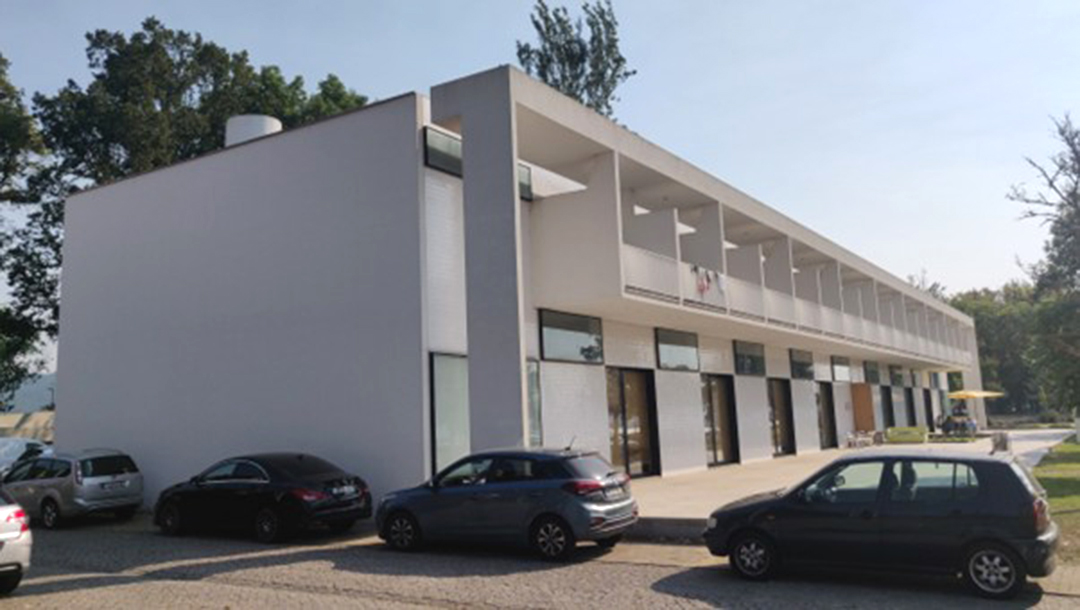
Staying at HI Viana do Castelo was an amazing experience, not just because of its beautiful views and cozy atmosphere, but because sustainability is truly part of its everyday life. From the moment I walked in, the natural light from the large windows made the whole place feel open and welcoming.
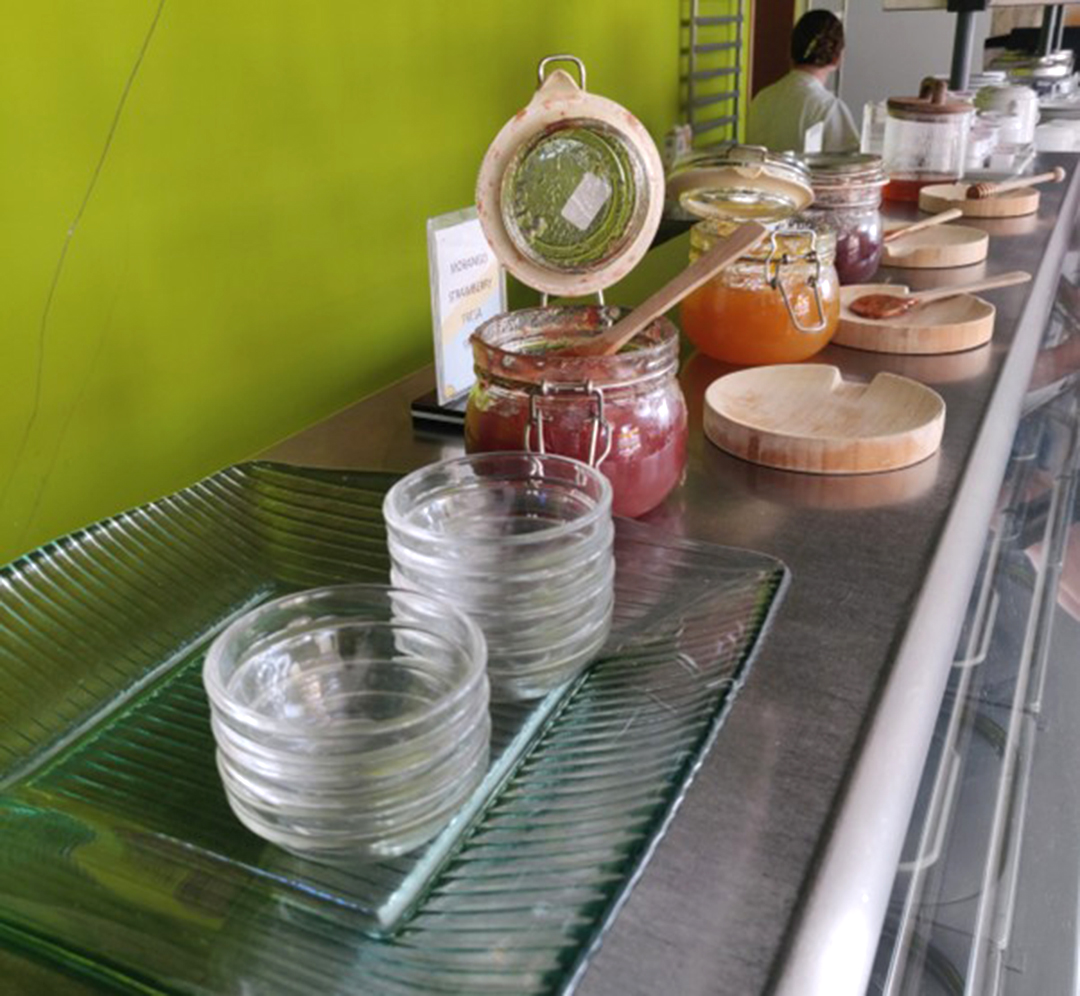
One detail that really stood out to me was the use of containers made from glass instead of plastic ones. The receptionist explained that, only five years ago, the hostel still relied heavily on plastic for many items.
It’s clear the hostel is working hard to reduce single-use plastic wherever possible. But as the staff explained, it’s not always easy, because everything in the supermarket comes in plastic. Their honesty made me appreciate their efforts even more. They're not perfect, but they’re genuinely trying.
I also learned that the hostel receives food deliveries weekly. While some leftovers must be thrown away for safety reasons, bread never goes to waste. “There’s no reason to throw it away when someone else can use it,” the staff member told me, explaining that they donate leftover bread to people in need. It’s a small gesture that makes a big difference.
Towels and linens are washed daily, but the hostel uses energy- and water-saving methods. They also plan on using more environmentally friendly cleaning products in the future.
Hostel HI Viana do Castelo is part of Pousadas de Juventude, Portugal’s national youth hostel network, managed by Movijovem. Their network of hostels spans the country, from the beaches of the Algarve to the mountains of Serra da Estrela, offering affordable, comfortable, and environmentally conscious stays.
The hostel has received the HI Quality & Sustainability (HI-Q&S) certificate from Hostelling International. This means the hostel is meeting high standards in how it cares for the environment, local community, and economy.
HI Viana do Castelo is one of 39 hostels in Portugal with the HI-Q&S certificate and is also part of a large global network of hostels that hold the same certification. You can find the full list of certified HI-Q and HI-Q&S hostels around the world on the official Hostelling International website.
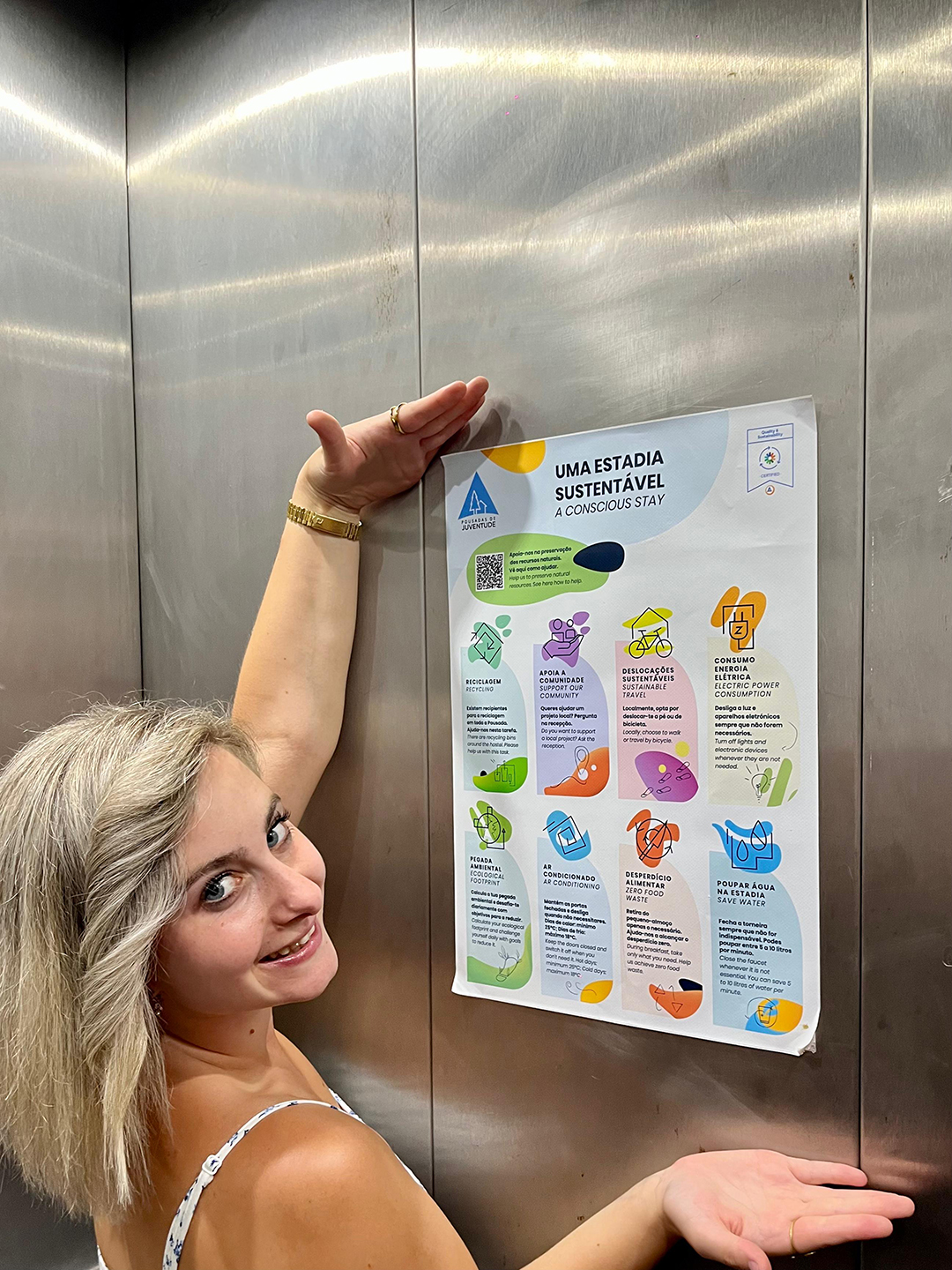
In the hostel, we also noticed a colourful poster titled “A Conscious Stay”, which shares simple tips for guests to help protect the planet. It encourages recycling, saving water and energy, avoiding food waste, and supporting the local community. It even reminds visitors to walk or bike instead of driving. These small actions show how even small changes can make a meaningful difference in the way we travel.
Other sustainable practices
There are also other sustainable practices. For example, using LED lights can save up to 80% more energy compared to the traditional light bulbs. We could also save a lot of energy with the installation of motion sensors in the areas that don’t need light all the time.
There is also an option of installing a greywater recycling system that reuses water from sinks and showers for watering plants. This can cut the use of fresh water for gardening by about 30%. Studies show that such systems can help hotels save up to 50,000 gallons of water every year.
Many facilities have reported reducing their electricity costs by more than half after installing solar panels.
Why book sustainable accommodation?
Every booking at a sustainable hostel encourages the spread of environmentally friendly practices and raises awareness of sustainable travel. In doing so, travellers not only reduce their carbon footprint, but also support a community that cares for the local environment and culture.
Choosing this type of accommodation is therefore more than just a practical decision, it is an active contribution to a sustainable future for tourism. Every visit, every booking and every show of support for sustainable hostels is a step toward a more responsible, more conscious, and more sustainable way of travelling.
The Travel Different for Future programme reminds us that travel isn’t just about seeing new places, it’s also about protecting them. If more travellers and hostels work together, we can make tourism more sustainable and keep our planet more beautiful for the future.