
How Plastics Travel from Our Homes to the Ocean – Part 1
Let’s start our journey at home, before we even begin to travel
Before we pack our bags for beautiful beaches and natural landscapes, it is worth taking a closer look at our everyday lives. Many of the environmental problems we notice while travelling actually begin in our own homes. Our daily habits, particularly how we use plastic, contribute to the creation of microplastics that eventually reach the rivers and oceans we love to visit. This article invites you on a small "journey" through your home to discover where these particles hide and how simple changes can help.
Irene Bordehore Vidal and Ángel Postigo Rodríguez
Understanding how microplastics are created in everyday life helps us realise that responsible travel begins long before we reach the beach.
What are microplastics and why should we care?
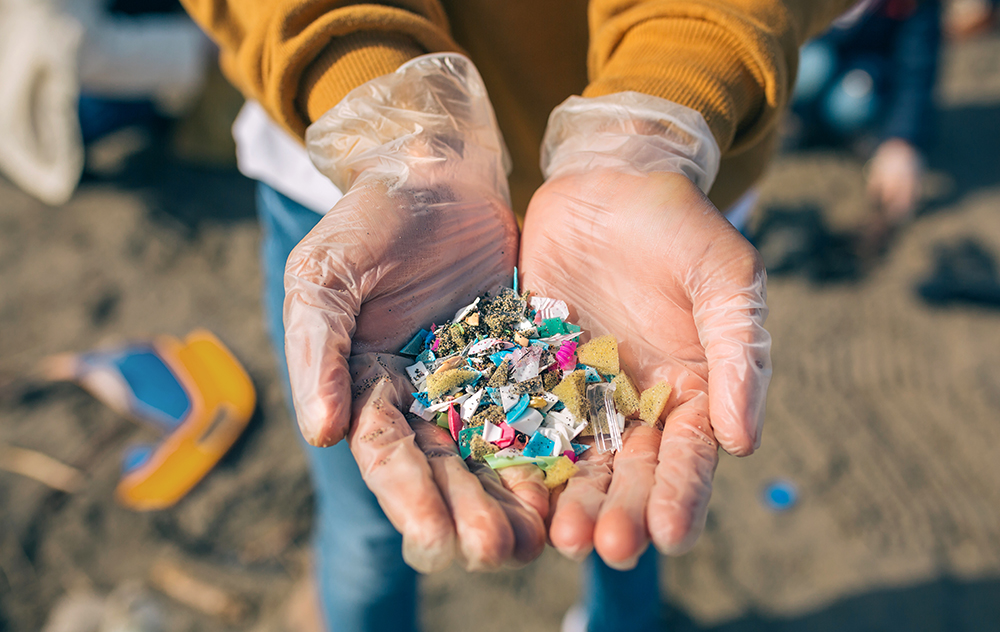
Microplastics are very small plastic particles, usually smaller than 5 millimetres. They generally come from two sources:
- Primary microplastics: Produced as tiny particles for specific uses, like in cosmetics or industrial processes.
- Secondary microplastics: Formed when larger plastic items, like bottles or bags, break down over time due to sunlight, water, and physical wear.
Because they are so small, these particles are often invisible to the naked eye and can easily spread through water and soil. This makes them incredibly difficult to remove once released. As they enter the environment, they are ingested by animals and can eventually enter the human food chain, for example through seafood, making this both an environmental and a health concern.
A tour through our homes where microplastics hide
Microplastics don't originate in nature; we often unknowingly bring them there ourselves. Let’s look at how they appear in our daily routines:
- In the kitchen: Using plastic cutting boards releases tiny particles every time we chop food. Other sources include dishwashing sponges that wear down over time. Furthermore, low-quality plastic containers degrade quickly and release particles, especially when heated, which is not recommended as plastic can melt or leach chemicals.
- In the laundry: Synthetic fabrics like polyester, nylon, and acrylic shed microfibers during every wash cycle. Because these fibres are so small, wastewater treatment systems often cannot filter them out, which allows them to enter our waterways.
- In the bathroom: While once a significant issue, the use of microplastics in cosmetic products like scrubs, toothpastes, and shower gels is now largely regulated and much less common. However, it is still wise to check product labels for synthetic ingredients. If you are not sure what to look for, you can use helpful tools like Beat the Microbead or other online guides that explain how to identify microplastics in cosmetics.
- In everyday products and cleaning habits: Items like wet wipes are often used for personal care and cleaning, but they are frequently flushed down toilets. They are not designed to break down and contribute significantly to plastic pollution in water systems.
- In our surroundings and mobility: Microplastics are not only created inside our homes. A significant share comes from everyday activities like transport. Car tyres alone are estimated to generate around 25–28% of microplastics in the environment. As we travel, these particles accumulate in the environment and eventually make their way into rivers and oceans.
Small changes that make a big difference
Reducing microplastics doesn't require a total lifestyle overhaul. It starts with realistic, everyday choices:
- Kitchen swaps: Switch to wooden or bamboo cutting boards and use glass or ceramic containers for food storage and heating.
- Mindful wardrobes: Choose natural fabrics like cotton, wool, or linen, which are often more durable. When you do use synthetics, try washing them less frequently or at lower temperatures.
- Bathroom habits: Opt for solid soaps instead of liquid ones and choose products without synthetic ingredients.
- Everyday cleaning habits: Always dispose of wet wipes in the trash rather than flushing them.
- Mobility choices: Whenever possible, choose walking, cycling, or public transport instead of driving. Reducing car use helps limit microplastics released from tyre wear.
- General reduction: Little by little, reduce single-use plastics like bags and bottles by choosing high-quality, refillable alternatives.

Small everyday choices may seem insignificant, but together they create a meaningful impact. Simple steps like choosing reusable products, avoiding unnecessary packaging, and supporting local solutions can significantly reduce plastic use in daily life.
If you would like to explore more practical tips and better understand how plastic pollution affects our environment, you can find helpful guides online from organisations like the United Nations Environment Programme, the Ellen MacArthur Foundation, the Global Plastics Hub, and other global initiatives working on reducing plastic waste.
Why our choices matter beyond our homes
Plastic waste doesn't disappear when it leaves our homes. It travels through sewage systems and rivers, eventually reaching the coastal environments we love to explore.
The quality of the environment plays an important role in our travel experience. Clean waters and preserved landscapes are essential to the destinations we visit. When these places are affected by plastic pollution, the experience changes. By reducing pollution at its source – starting at home – we help protect these destinations, ensure they remain enjoyable for everyone and ensure a sustainable future for tourism and beyond.
Conclusion
Understanding how microplastics are created in everyday life helps us realise that responsible travel begins long before we reach the beach. By at least focusing on these small, manageable details, we can contribute to a collective effort to protect our planet. Responsible travel truly starts with responsible everyday decisions.
In the second part of the article, we will follow the journey of these particles further and explore their impact on the deep blue.